Running wild
In a nutshell
The first book from the makers of Like the Wind magazine: inspiring trail routes from around the world, each described by someone truly connected to the place. With practical tips for planning a trip.
Who it's for: Anyone planning a running trip abroad.
Not long ago I reviewed the running magazine Like the Wind, published quarterly in England. The magazine is written by runners for runners, and the love for this kind of movement shows on every page. It’s full of stories, and instead of adverts you’ll find beautiful illustrations and amazing photographs. When I found out that Julie and Simon Freeman, the people behind the magazine, had published their first book, Running Wild, it was clear I had to have it.
Inspirational trails from around the world
That’s exactly the book’s subtitle, and that’s exactly what you get when you read it. Are you thinking it’s just another cheap guide picking out the most interesting routes in the world and adding generic photos? Or that a similar book, Úchvatné světové běžecké trasy, already exists, so why make another? I had these thoughts myself. They disappeared soon after a quick flick through the book. So what makes it so special?
Unlike the book I just mentioned, it doesn’t try to cover routes of every possible distance or running in every possible environment, and it doesn’t deal with races held in this or that corner of the world at all. Like the magazine’s motto, this book is “by runners for runners”. To be specific, it focuses exclusively on mountain and trail running. If that’s your cup of English tea, you don’t need to read any further. Just get the book.
The journey around the world begins
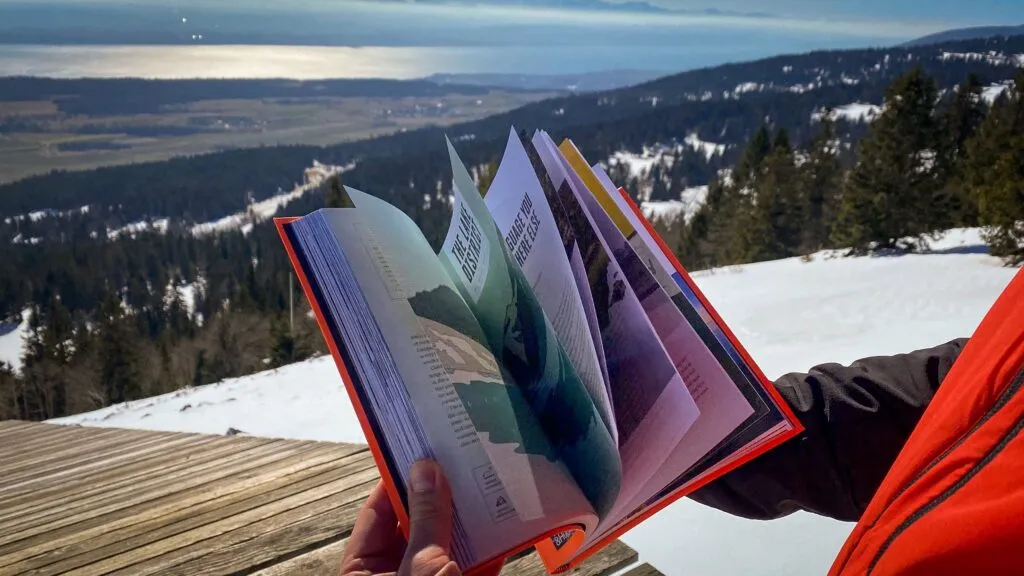
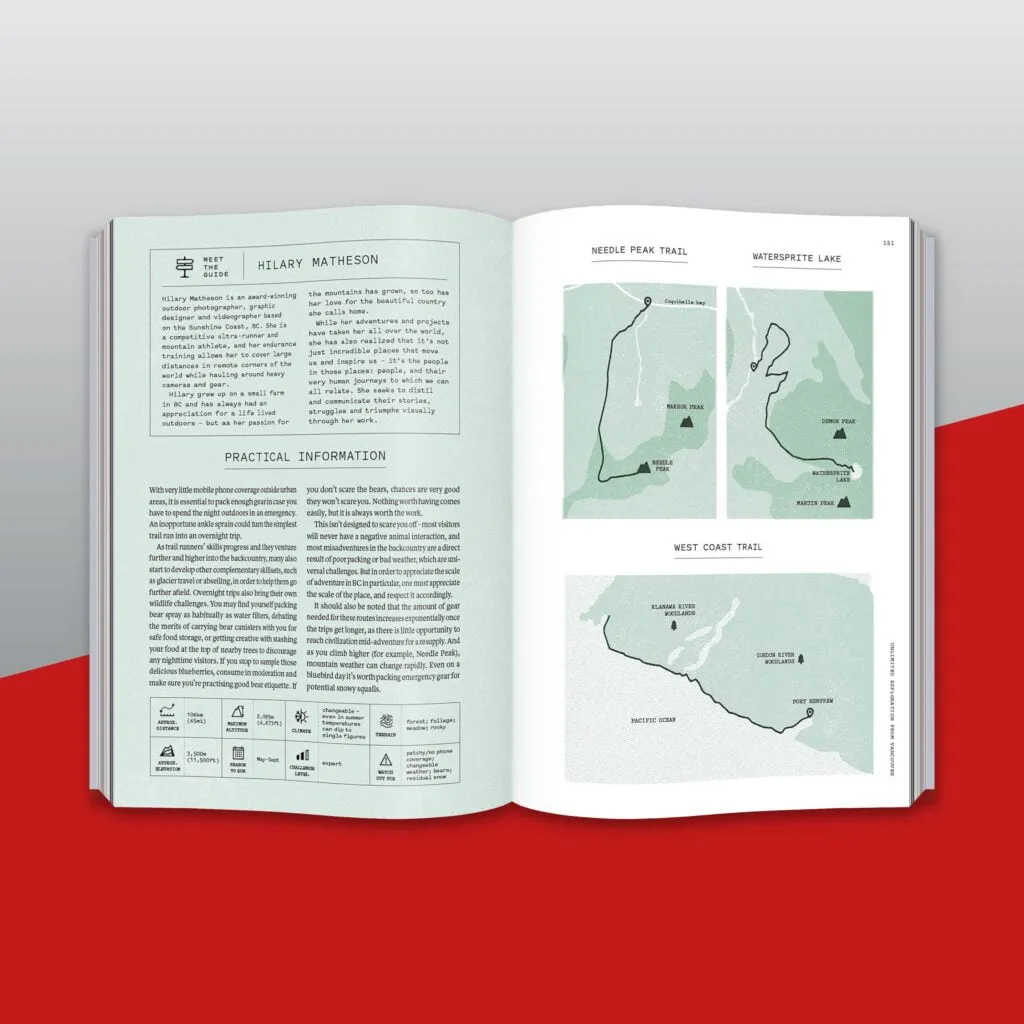
Start with the foreword by Dean Karnazes and a short introduction explaining why the book was written. And now really run out into the world. The tips on where to go are divided into sixteen chapters that follow the same rules. That makes the book clearer and easier to find your way around. The first part of each chapter is a basic description of the mountain range or area: why you should go precisely here, why this place is special. Don’t worry about lots of detail or trips into history. The next part of the chapter is devoted to a recommended route, mostly multi-day routes you can set out on. Here the book starts to act as a real guide. You’ll read in quite a lot of detail what awaits you on the route. The end of this part belongs to the author of the chapter: why this particular route is so unique for them. You’ll soon understand that these aren’t desk-bound writers, but people who were born in the place or lived there for much of their lives. And who better to give tips on where to go in “their” mountains? So each chapter also includes a short introduction of its author. The chapter ends with practical tips and a schematic map of the running route.
The authors
And who are these authors? You’ll find relatively unknown names, but also people who are more widely known. Lizzy Hawker, five-time UTMB winner and author of Runner, takes you through the Himalayas. Read her story and you’ll understand why this Englishwoman is the guide to the Himalayas. Around Flagstaff you’ll be guided by local Rob Krar, two-time winner of the Western States 100 and the no less famous Leadville.
A photo is worth a thousand words
What makes this book really stand out are the amazing photographs. No wonder: just look at the photographers’ names. If you don’t believe me, check out their Instagram profiles. Just take a look at Alexis Berg, for example. You’ll find plenty of similar photos of runners in the book. And there are also illustrations introducing each chapter.
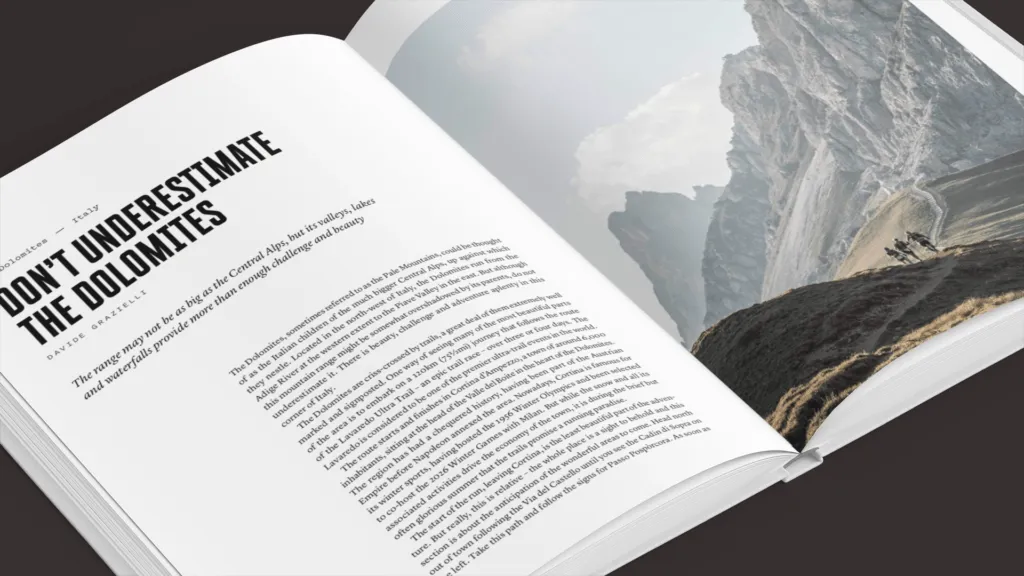
Photo: Alexis Berg (@alexis_berg)
Where will you run?
What places await you in the book? In the order they appear: the Dolomites, Lofoten, the Chamonix valley, the Knoydart peninsula in Scotland, Corsica, the Pyrenees, Sweden’s Kungsleden, the Lake District, the Jura, British Columbia in Canada, the White Mountains in the USA, Flagstaff, the area around Oaxaca in Mexico, Patagonia, the Himalayas and the West MacDonnell Ranges in Australia.
At the very end of the book you’ll find a few general tips on how to behave in nature and what not to underestimate on the way, plus several websites with more information about each area. The index that closes the book is also practical.
Running Wild is really packed with information and beautiful photographs. But I’ve already said that. If you’d like to read a bit more about what freedom of movement in the mountains means, I recommend Run Wild by the guitarist of the band Chumbawamba.
+
A brilliantly crafted book that you definitely want to hold in your hands, not on an e-reader. It doesn’t have just one author: each chapter was written by someone truly connected to the area. The practical tips in each chapter will certainly help you plan your trip.
–
For my taste, I’d spend less space on describing the route itself. For a reader, it may be unnecessarily long. But if you want to go and run the route, I suspect the description will be too short.