Run wild
In a nutshell
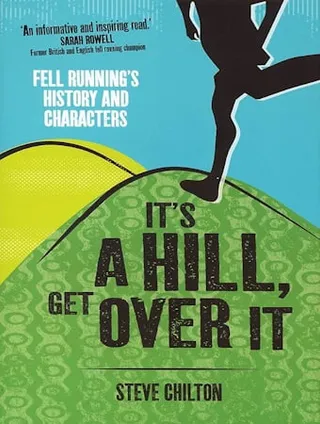
Chumbawamba founder Boff Whalley writes about running in the wild, away from tarmac and stadiums. He builds on the ideas of Born to Run and adds history: why the marathon is longer today, the beginnings of fell running and the Bob Graham Round.
Who it's for: Anyone who prefers forests and hills to the road.
I don’t listen to music much, and I never run with headphones. What I hear today, I forget tomorrow. There are a few exceptions. One of the very few is the song Tubthumping by the British band Chumbawamba. It was 1997 when the radio started playing: “I get knocked down, but I get up again - You are never gonna keep me down…”
Fifteen years later, the founder and guitarist of the band, Allan Mark “Boff” Whalley, published the book Run Wild. I had to have it, and thanks to Amazon I did.
The band began to take shape in the early eighties in Leeds. Boff was living in a squat with friends at the time, having run away from university after a year of studies. The band’s style? Hardcore punk (at least in the beginning). That gives you a hint that the book won’t be entirely pleasing to everyone. He says what he thinks, or rather puts it on paper. The author offers his own, fairly clear view of running: road marathons or cross-country runs in nature? The title alone makes it clear which side Boff will defend.

Boff Whalley
Fell running = run wild
He ran his first (and only) road marathon in 1981. It didn’t thrill him. A five-year break followed, when he devoted himself only to the band. Then one day in 1986 he went to watch a local fell race in the north of England. And that thrilled him. What would be a half-day walk, the fastest runners managed in 45 minutes. Hills, rocks, mud, sweat, fatigue and joy. Fell running was exactly what had been missing from his life. He started running, and he got to a pretty decent level.
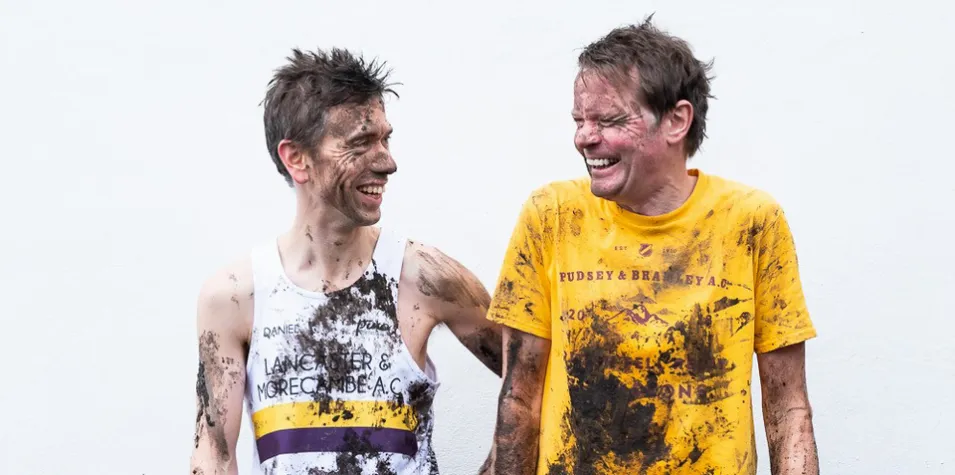
So the book shows how you can combine the life of a music star, often away on a world tour, with running in all kinds of places. His bandmates partied, Boff ran. He takes a sharp stand against city road races. Not just against the running itself, but against the whole organisation and the system of charities. Why not, it’s his opinion (and I agree with it). But this view runs like a red thread through the whole book. Personally, I miss a bit of “live and let live”.
The author deals not only with where to run, but also with what to run in. At a time when Nike made its first “cushioned” shoe, the Cortez, and started “pushing” runners to land on their heels (the name of the Spanish conquistador is probably pure coincidence), production of fell running shoes was getting going in England in Norman Walsh’s workshop. The requirements were clear: stay in contact with the ground, feel the grass, mud and stones as you run. The exact opposite of the Nike shoe. I probably don’t need to say which side the author takes. In the book he refers to this issue as it was opened up in Born to Run and develops it further. But it isn’t just “preaching his gospel”. The book also has plenty of history. Why is the marathon longer today than it used to be? What were the beginnings of fell running, running in the hills of northern England? Who was John Muir? What is the Bob Graham Round?