It's a Hill, Get Over It
In a nutshell
Steve Chilton's debut maps fell running, the distinctly British mountain running of the Lake District, and explains what it actually is. The perfect ticket into the world of fell running.
Who it's for: Anyone who wants to get to know fell running. If you want something between history and personal experience, go for Feet in the Clouds.
It’s a Hill, Get Over It is the author’s debut book, and it deals with the phenomenon known as fell running (a distinctive kind of mountain running). Although the author didn’t turn his nose up at classic cross-country races or the road marathon (PB 2:34:53), his heart belonged to the Lake District in England. It’s no surprise that his four other books cover the same subject, just from different angles.
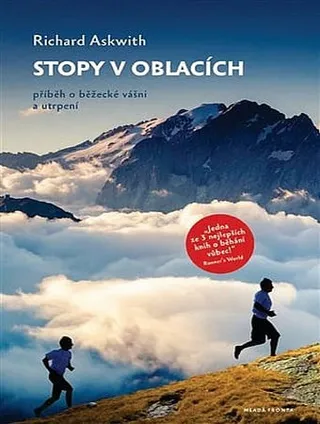
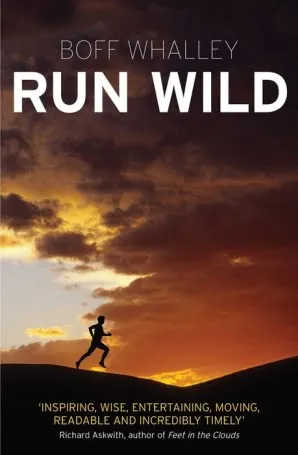
The book is the perfect “ticket” into the world of fell running. I first came across the term in Run Wild by Brit Boff Whalley, guitarist of the band Chumbawamba and a very successful runner. I read it, but didn’t really understand. What’s the difference between mountain running and “fell running”? Feet in the Clouds by Richard Askwith (Czech edition: Stopy v oblacích) helped a little more, but the best thing was to go straight to the Lake District (northern England) and try to experience it. I took part in the Lakeland 50.
Where did fell running come from?
Although that race was a mountain race, I was in the cradle of fell running. Since time immemorial, races up the “nearest” hill have been held in those magical mountains. Every village has one. It often started with a bet over a pint or a glass of whisky. Who’ll be first to the top and back at the pub? Who can get up and run back down in xy minutes? In the second half of the 19th century the first competitions began, some of which have survived to this day (for example, Grasmere has been running since 1868).

The beginnings of organised racing
In his book Steve Chilton goes into great detail about the very beginnings. Running races grew out of so-called “guides’” walking races. Before the races could really get going, a familiar problem arrived. Amateurs vs. professionals. That significantly slowed the development of the sport. Another brake was the organisation of the sport itself and its integration into existing, higher-level organisations.
But it’s far from just sports politics that Chilton covers. Over the decades there have been plenty of personal stories and rivalries. Part of the book is devoted to greats like Naylor, Bland, Stuart, Wild… Guys who in today’s online era would be among the world’s top athletes. Though it’s a question whether they would be today, or “only” back then.
Where was the author wrong?
The book came out in 2014. The author predicted that Billy Bland’s record on the Bob Graham Round, for example, would never be broken. In 2018, after 35 years, Kilian Jornet came (ran) along and cut the time by a whole half hour. Everyone was convinced the record would last at least another 35 years. But it held for only 4 years, when American Jack Kuenzle cut more than another half hour…

Steve Chilton
It’s a Hill, Get Over It introduces us to a whole range of races, both current and past. Who fought which battles where, what the course records are and how the routes changed over the years. But the book isn’t just a factual list of collected information; it also brings interviews with well-known runners.
Fell runners were and are proud of their toughness. Of body and spirit. Bad weather is standard, navigation on longer races is done with a compass and map (even in the age of GPS gadgets), no poles, and the winner is usually whoever isn’t afraid to really let go on the descent. The way down is up to the runners. Straight down, or zigzagging. They jump from rock to rock and leap over stone walls. It’s pure, raw wildness.
Which book to choose?
The book came out only a few months after Run Wild by the aforementioned Boff Whalley. How are the two books different? It’s a Hill, Get Over It maps fell running and explains to readers what fell running actually is. Run Wild answers why you should fall in love with the sport. That’s not my view, but that of this book’s author, Steve Chilton. I’ll just add that if you’re looking for something in between, a bit of history and a bit of personal experience, give Feet in the Clouds a chance.