Born to Run 2
In a nutshell
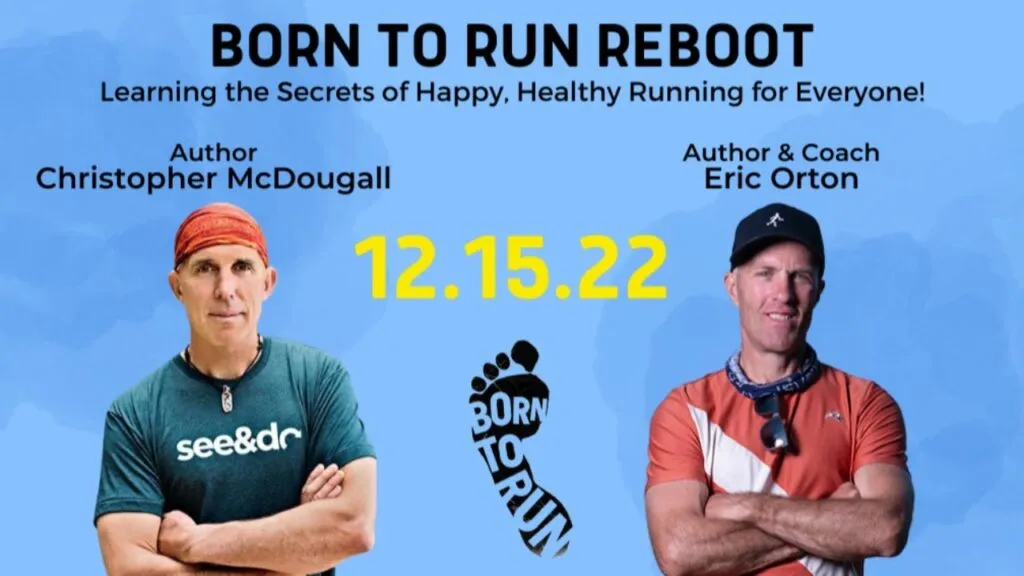
A loose sequel to the bestseller, thirteen years later: the first book was about why to run, the second is about how to run. Co-written with coach Eric Orton, it tries to undo the damage of the barefoot craze. But it doesn't bring much new, not even in the chapter on injuries.
Who it's for: Fans of the first book.
Maybe not for: If you're dealing with an injury, a visit to a physio will save you time.
Thirteen years. That’s how long it took for the bestseller Born to Run (Born to Run in Czech) to get its sequel. Or rather a loose sequel. Broadly speaking, the first book was about “why to run”, while the second is about “how to run”. That’s because the co-author is coach Eric Orton.
It was Eric who prepared McDougall for the ultramarathon in the Copper Canyons that he ran together with the Tarahumara. More than the Indians and how they run, people started talking about what they run in. A barefoot tsunami was set off that inspired many, but also did a lot of damage. Did B2R2 set out to put that right?
You can’t deny Christopher McDougall his storytelling talent. He knows how to find connections and weave storylines together. We saw that in his previous books Natural Born Heroes and Running with Sherman. Personally, though, his style doesn’t quite suit me. And not just because some of the facts he presents don’t add up. I liked the less bombastic “Czech Born to Run” better: Ti, kteří utíkají pěšky by Milan Daněk, who went to see the Tarahumara in the footsteps of Born to Run and points out some of the half-truths in the original book himself.
A hodgepodge
I started the sequel with an open mind. But the good mood gradually faded and my open mind turned into a firm one: just hold on. My marathon training came in handy. I hadn’t looked forward to finishing a book this much in a long time. Why? It’s one big hodgepodge, or if you like, a patchwork of unrelated information.
The cover promises a 90-day programme that will help you run further and faster. Forever. The training plan really is inside and takes up a good 10% of the book. It sets out day by day which exercises to do and which runs to complete. Fine by me. It was a shortcut that got me to the finish faster. After the previous 80% of the book, I had no desire to keep reading. So what is that “beginning” about?
What is B2R2 about?
I honestly don’t know. There was so much in it that almost nothing important stayed in my head. Both authors agree that it’s not enough to just sort of know how to run from birth. As with swimming, you need to learn to run properly. Why? A wrong movement repeated a thousand times sets off an avalanche of events that leads to injury. And by no means only among hobby runners. As an example, they give the professional athletes they had for the photos in the book. Eric was surprised how many wrong movements they make when running. Read on and you’ll avoid the problems.
The fairy tale about Emil
You need to start with technique, and the best way to learn it is running on the spot against a wall. The “proof” given is Emil Zátopek, who supposedly ran on the spot while on guard duty in the army during the Second World War. After returning home, he ran in the bathtub and trained while treading laundry. We know this story, except that Emil wasn’t in the army yet during the Second World War. So how can you believe the other similarly colourful stories?
The book gradually covers topics such as the right diet for runners. Quality, rich food is the foundation (what else, right?), and once again the example is the mountain runners of Crete, with a reference to Natural Born Heroes. Shoes also get a lot of space. Minimalist ones, of course. All sorts of cushioning prevent the foot from moving naturally, and these corrections end up harming us.
It doesn’t stay general: Christopher, Eric and other runners recommend specific models, what to start running in and how. You’ll also read about the birth of the Altra brand, known for its zero drop. And it wouldn’t be me if I didn’t give in: a pair of Altra Escalante is already waiting in its box…
Too many topics?
Running and music? Again, the question of whether or not. We start with Caesar and his armies marching across the land. How did they control the pace? With the right cadence. How did they keep the right cadence? With military marching songs. We know that from today too, don’t we? So the basis is a cadence of 180. The recommended song is The B-52’s - Rock Lobster, or the whole album Lady Southpaw - Marathoners Rocking New York.
Running and running in groups. Both from the point of view of today’s running groups (women who run, beer runners and so on) and from a historical perspective. Why were Finnish athletes so successful at the beginning of the 20th century? Picnics. Shared picnics. Unless it’s like that Zátopek story…
The authors open up a lot of topics. Too many, and that’s a shame. Running through the whole book is also the story of Caballo Blanco, the inspiring figure who captivated not only these Americans but also the Czech expedition I mentioned. A charismatic man who, in a commercial age, chose simplicity, freedom and unashamed help for those in need.
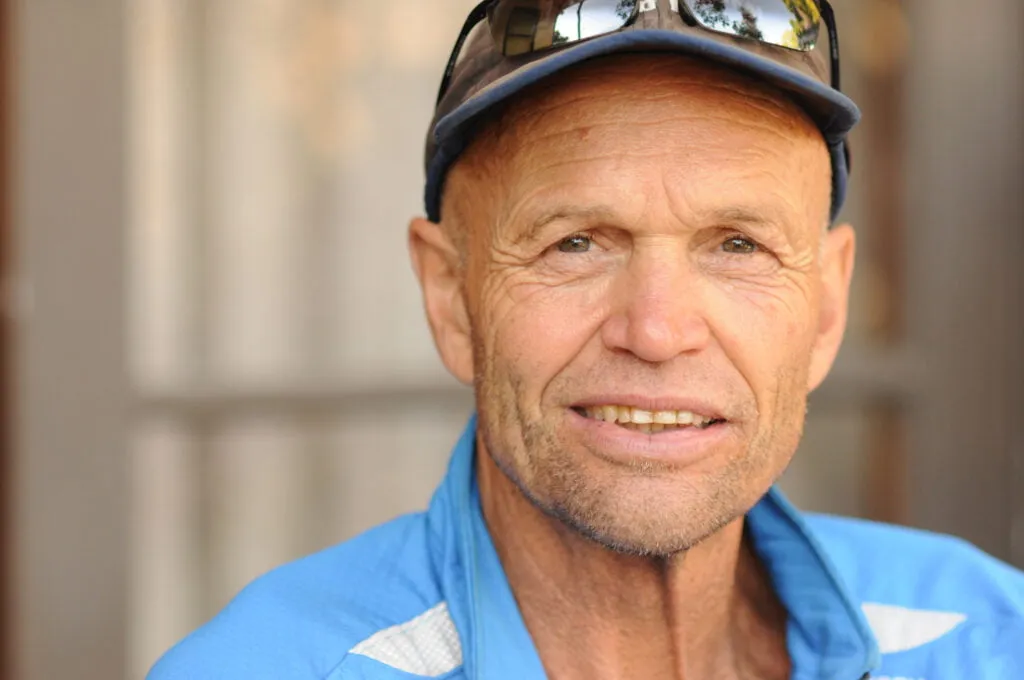
Micah True - Caballo Blanco - Luis Escobar photography
After the first book came out, Micah True became a world-famous hero. But fame didn’t pull him away from his values, and he kept promoting the idea of helping those in need and running in the Run Free! style. In March 2012, however, sad news went around the world. Caballo Blanco had been found dead. If I had to name one thing in the book that caught my attention, it was the search for him that March.
Caballo went out for a run and never came back. Overnight, lots of runners gathered and started searching for his tracks. How it ended, we already know…
The last chapter is also worth mentioning: Injuries. It lists pretty much every injury you can run into while running. How to recognise them and how to fight them? Again, nothing new under the sun. I recommend reading it, but if you have problems, see a physio. You’ll save time, and time is money.